Why a seasonal plan works in Whittier
Whittier’s climate is warm and dry for much of the year, with summer highs often in the upper 80s and 90s and roughly 14 inches of rain falling mostly between late fall and early spring. Much of the city’s housing dates from the early 1900s through the 1960s, with clay sewer laterals and cast-iron drains, and many yards have mature trees. Those three facts — dry summers, wet winters, older pipe — create a predictable pattern of drain problems you can plan around.
Late summer (August–September): root season
After months without rain, tree roots search hardest for water, and a leaking clay joint is an easy target. This is when root growth in sewer lines tends to accelerate.
- Watch for slow main-line drainage and gurgling toilets.
- If your line has had roots before, schedule root cutting now — before the rains and holidays add load.
- Avoid deep-watering trees right over the sewer path.
Fall (October–November): get ready for the rain
- Find and check your cleanout cap. Replace a missing or cracked cap so yard runoff can’t flow into the sewer. (Where to look.)
- Clear gutters and confirm downspouts discharge to the yard or street — never into the sewer.
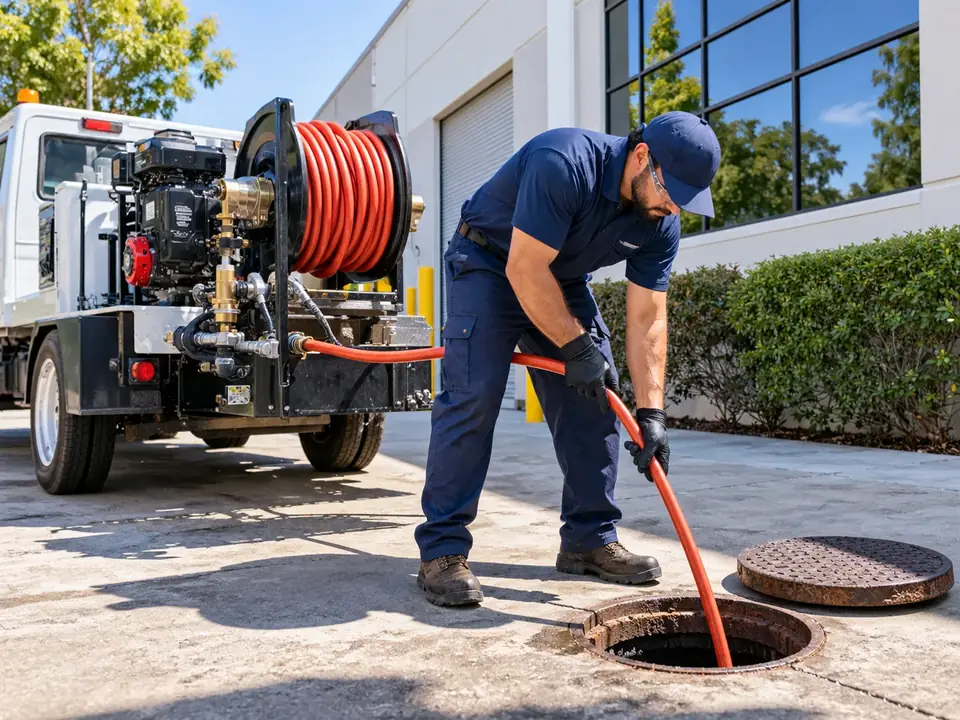
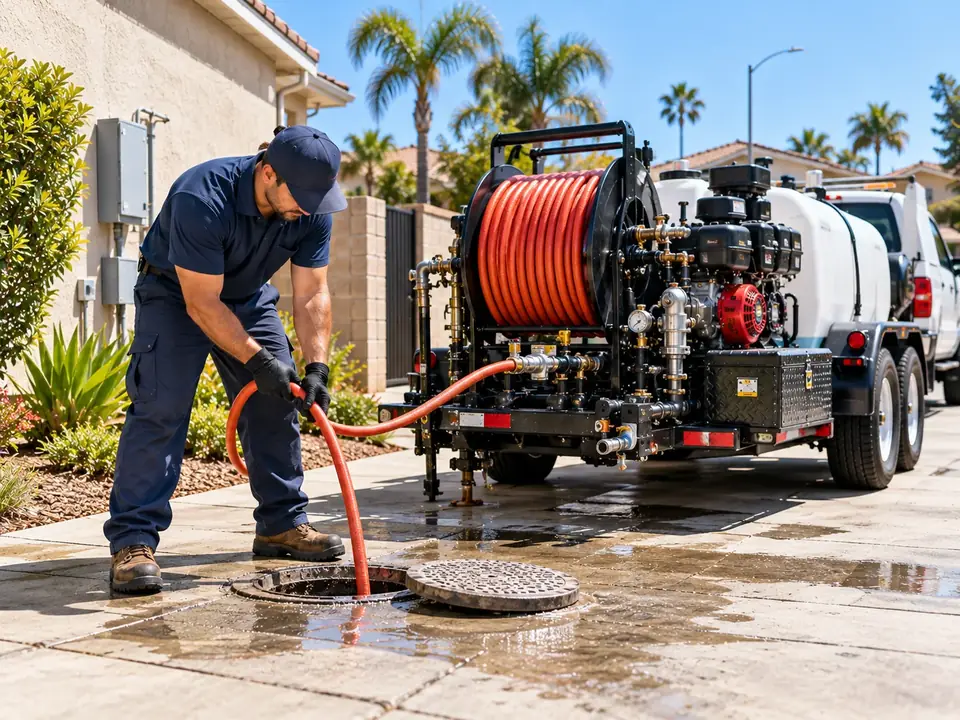
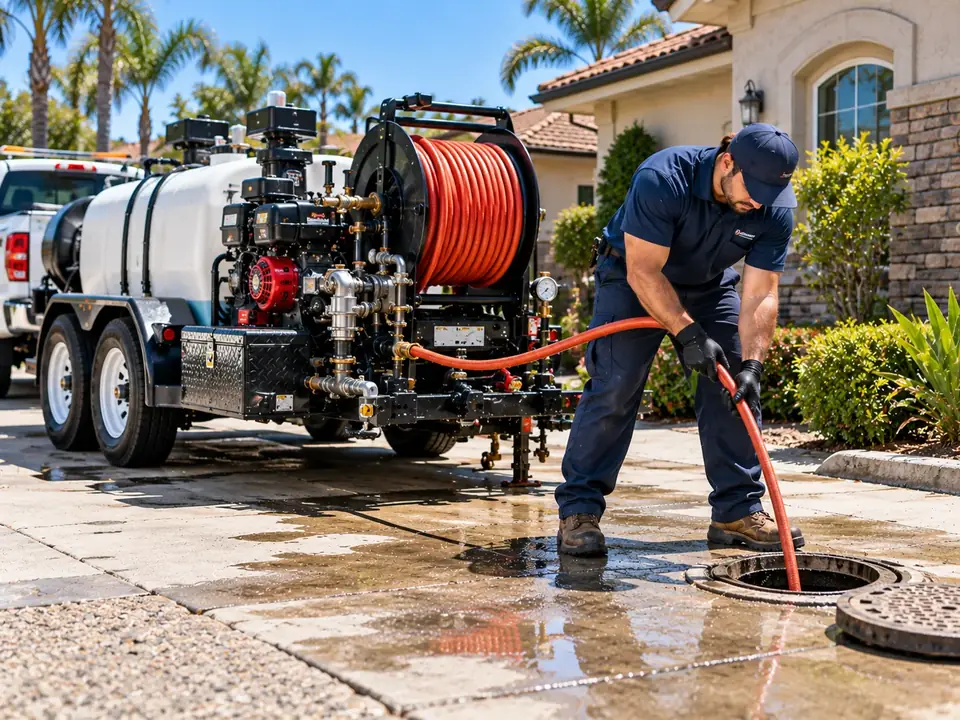
- Clean the main line if it has a history of backups, so it has full capacity for storm season.
- If you have a backwater valve, have it checked. It only works if it’s maintained.
- Read: why sewers back up when it rains.
Call to schedule a cleaning or talk through whether your line needs one.
Holidays (late November–January): grease and guests
Thanksgiving through New Year’s is peak season for kitchen and main-line clogs — more cooking, more grease, more guests, more dishes and more flushing.
- Keep a can by the stove for cooled grease; wipe pans before washing.
- Scrape plates into the trash, not the disposal.
- Run full dishwasher loads rather than many small ones.
- Put a small trash can in guest bathrooms so wipes and paper towels don’t get flushed.
- If the kitchen sink is already slow, deal with it before the big day — see kitchen grease clogs.
Winter (December–March): storm watch
- Watch the lowest drains (ground-floor showers, tubs, floor drains) during and after heavy rain.
- If drains slow only during storms, note it — that pattern often points to rainwater getting into a cracked lateral.
- If several homes back up, report it to the City, or LA County Public Works in unincorporated areas.
Spring (April–May): inspect and repair
- Spring’s mild, dry weather is the easiest time for excavation or trenchless repairs.
- If winter revealed problems, get a camera inspection and compare repair options.
- Clean shower and tub stoppers and hair catchers, and flush rarely used drains to keep traps sealed.
Early summer (June–July): routine care
- Clean laundry lint filters and check the washer standpipe.
- Flush guest-bath and garage floor drains with a bucket of water so traps don’t dry out.
- Plan any new tree planting well away from the sewer path.
Year-round habits
| Habit | Why it matters |
|---|---|
| Only toilet paper in toilets | Wipes don’t break down and snag on old clay joints |
| Grease in the trash | Prevents the hard grease lining that causes repeat kitchen clogs |
| Hair catchers in showers | Stops the most common bathroom clog |
| Keep the cleanout accessible | Makes any future service faster and cheaper |
| Keep service records & video | Shows patterns and helps with repairs, permits and home sales |
Does every home need professional cleaning every year?
No. A home with sound pipe and no history of problems may never need routine jetting. Homes with root intrusion, past backups or heavy use benefit from a schedule — often every one to two years — set by what inspections actually show. See how often hydro jetting is needed and our preventive drain maintenance service.
Frequently asked questions
When is the best time to have my sewer line cleaned in Whittier?
Early fall is ideal for lines with a history of roots or backups — it clears late-summer root growth and restores capacity before the rains and the holidays.
Why do drains back up more during the holidays?
More cooking means more grease, and more guests mean more flushing and water use. A line that’s already narrowed can’t keep up.
Do I need to maintain my drains if I’ve never had a problem?
Basic habits — grease in the trash, only toilet paper in toilets, hair catchers — are enough for many homes. Routine professional cleaning is mainly for lines with roots or a history of clogs.
Related services
- Preventive Drain MaintenanceScheduled jetting for restaurants, apartments and older homes — set by what the camera shows, not a sales calendar.
- Tree Root Intrusion CleaningRoots growing into old clay sewer joints cut back to the pipe wall with root-cutting jet nozzles — plus a plan to slow regrowth.
- Residential Hydro JettingKitchen, laundry and main sewer lines in Whittier homes cleaned wall-to-wall — with the pipe checked before pressure goes in.
Call Precision Hydro Jetting. Describe the symptoms and get a straight answer on next steps.
Sources

Precision Hydro Jetting — drain and sewer cleaning for Whittier, CA. This guide is general information, not a diagnosis of a specific plumbing system; conditions vary by property.